
The Crafts Council Gallery returns and Alice gets curiouser
After a lengthy renovation period not helped by Covid delays the Crafts Council Gallery is back home in Pentonville Road, celebrating its return with an exhibition: The Maker’s Eye: Stories of Craft curated by Dr. Christine Checinska.

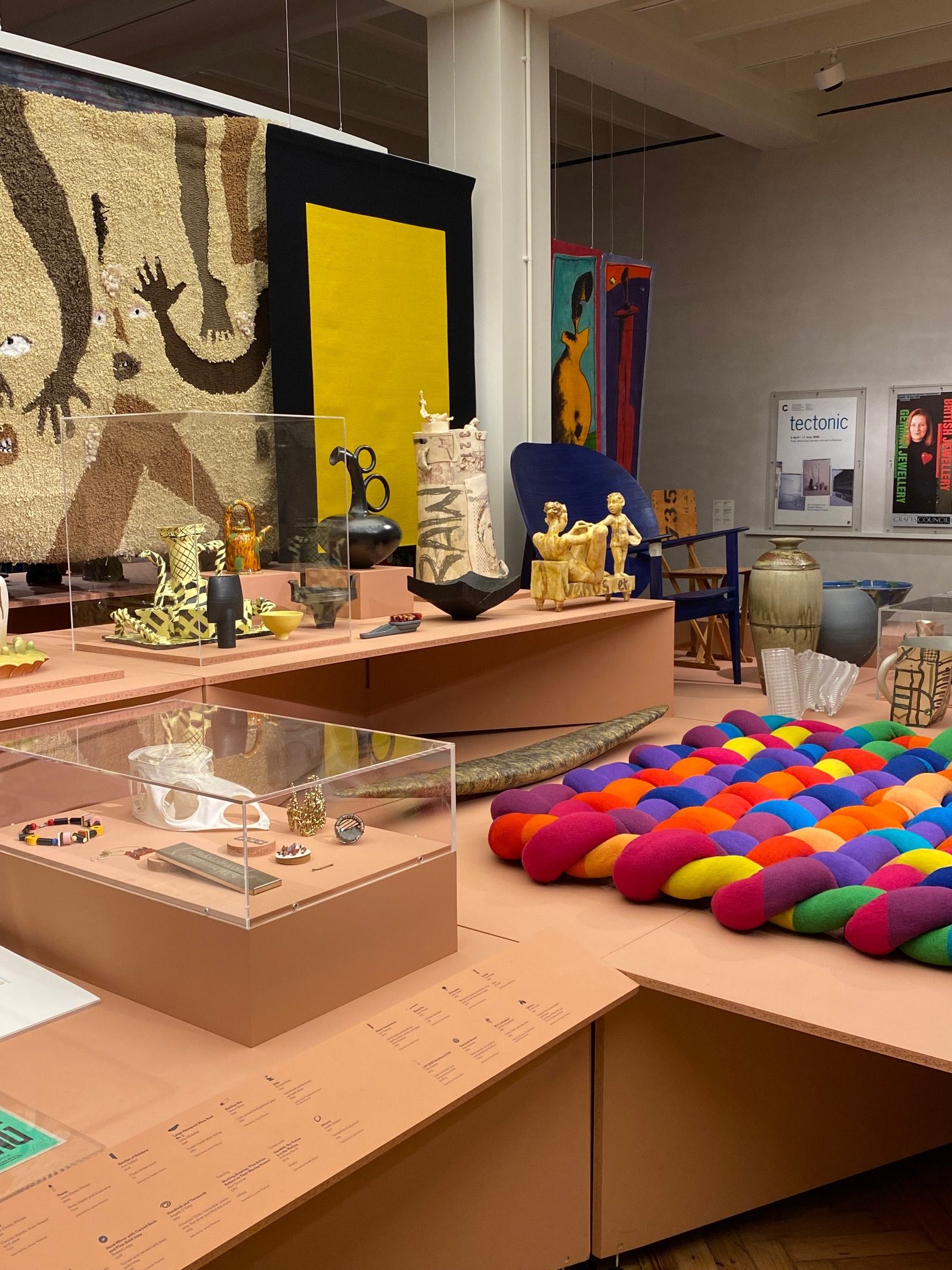
Taking its name from a 1982 Crafts Council show (the first at its former gallery on Waterloo Place, Piccadilly), Maker’s Eye celebrates the breadth and quality of craft and the impressive Crafts Council Collection.

Craft, as TheEye has commented many times, has finally overcome being the poor relation of the art world. Whether you call it craft or craft and design doesn’t matter. What matters is how far the sector has moved from its corn dolly, hanging macrame basket image days to the sophisticated work you will find in this exhibition. It’s been a long journey. Interesting to note that this week White Cube, known for showing blue-chip contemporary art, has a much publicised ceramics show by Rachel Kneebone who TheEye was interested in when she was exhibiting work from her graduation show in Chelsea Town Hall.
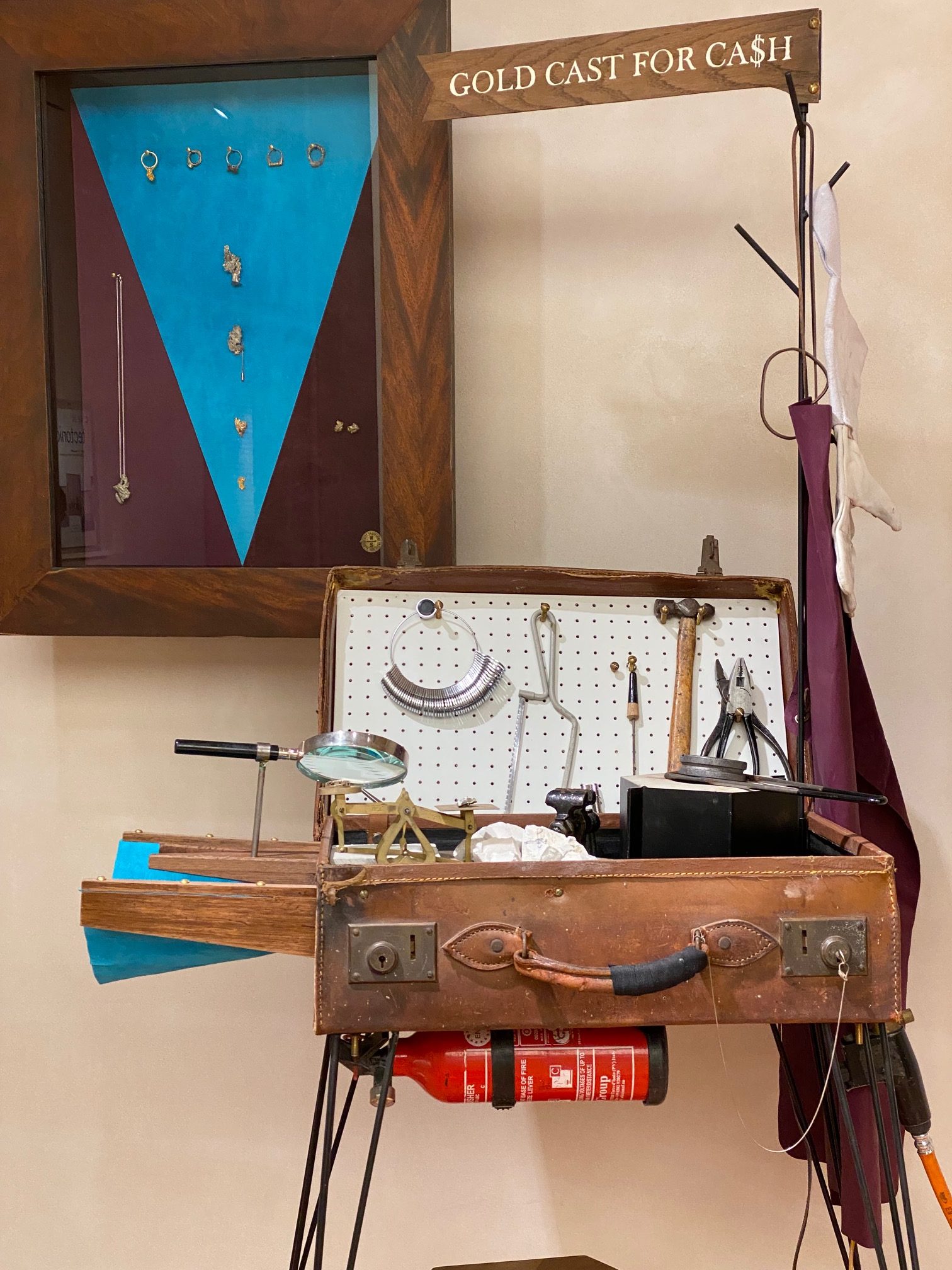
Will Shannon’s re-invention – brilliantly creative.f
The Maker’s Eye succeeds in its aim to be diverse and far-reaching and includes mundane objects made for everyday life in our homes, which would previously have been unimaginable in such an exhibition: It emphasises the craftsmanship of the porcelain toilet bowls, produced by Armitage Shanks in their Staffordshire factory, for example, as well as rugs, spoons, and tiles. Objects that we take for granted and use every day. No reason why they should not be well designed, as well as functional.
Even the loo paper is stylish and TheEasyCrap company will add a touch of elegance and humour to any W.C.
The most interesting aspect of this show was seeing how the panel of selected designers and curators justified their choices. It also challenges visitors to question their own opinions. As a curator of numerous exhibitions, TheEye found herself not always in agreement with some of the inclusions and exclusions. And she is still thinking. A good response. The work selected was of the highest standard and it was interesting to understand the whys behind them.
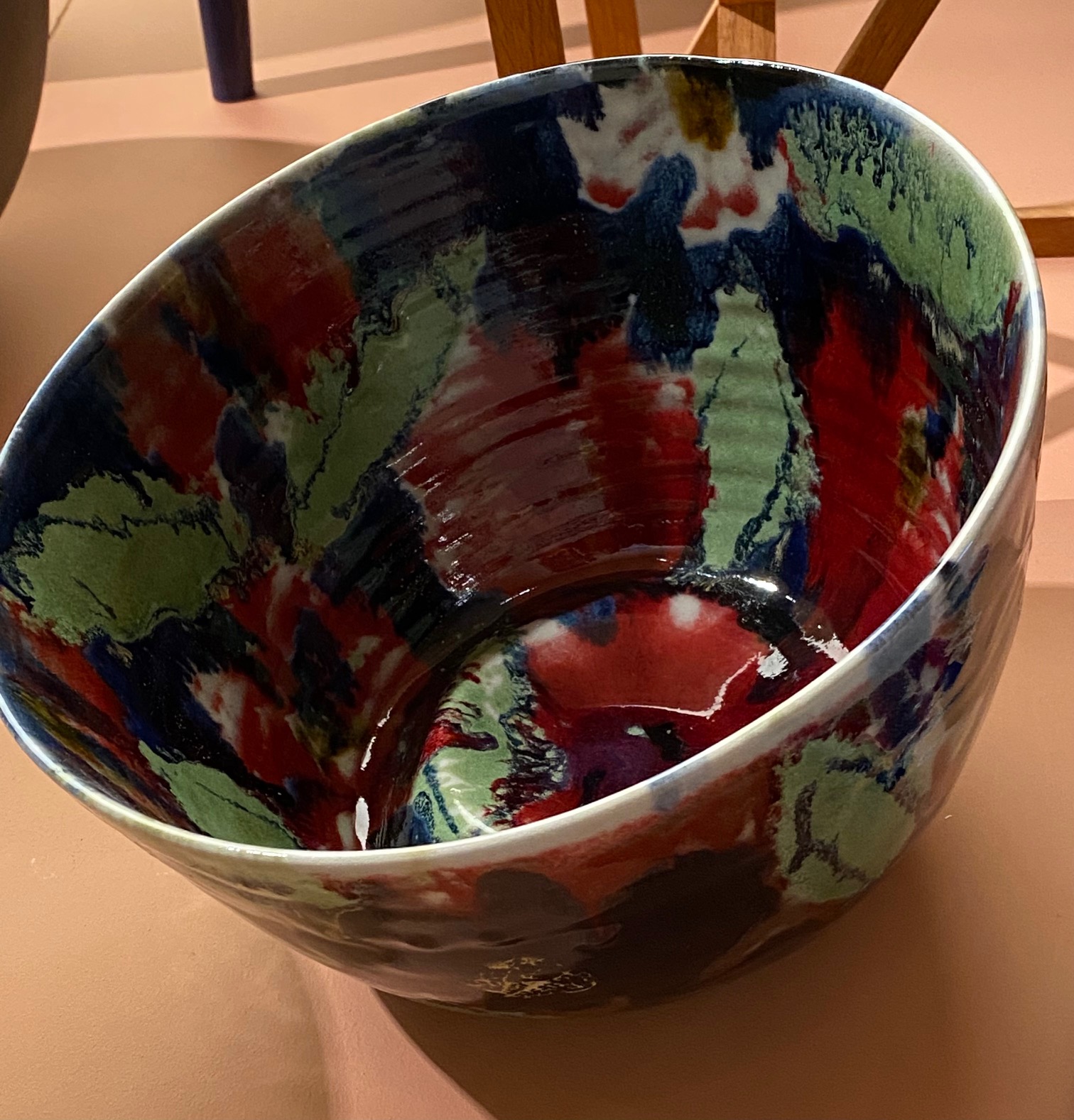
Colourful bowl – a prototype – by the late Janice Tchelenko, 1986
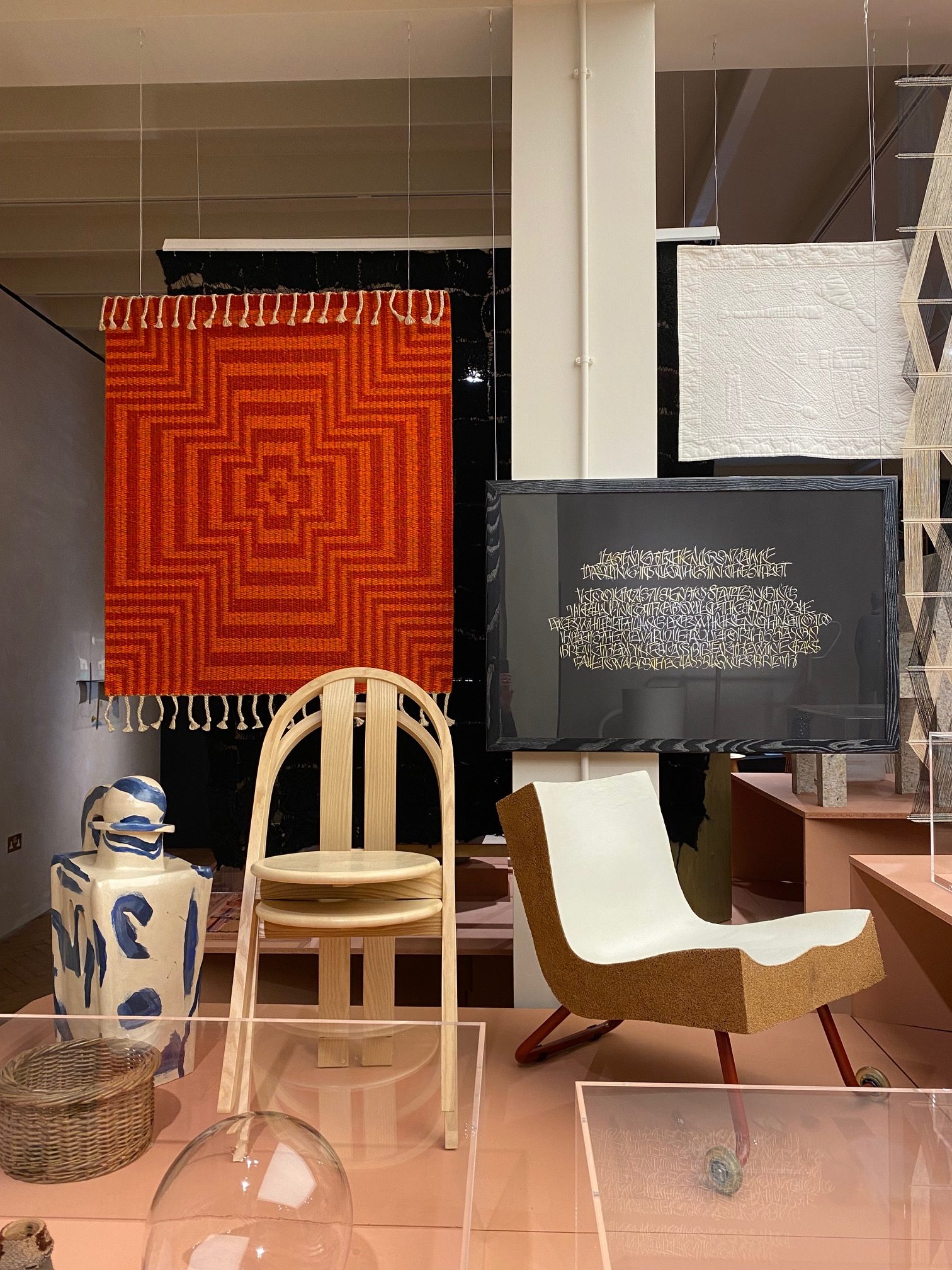
Diversity in objects and material
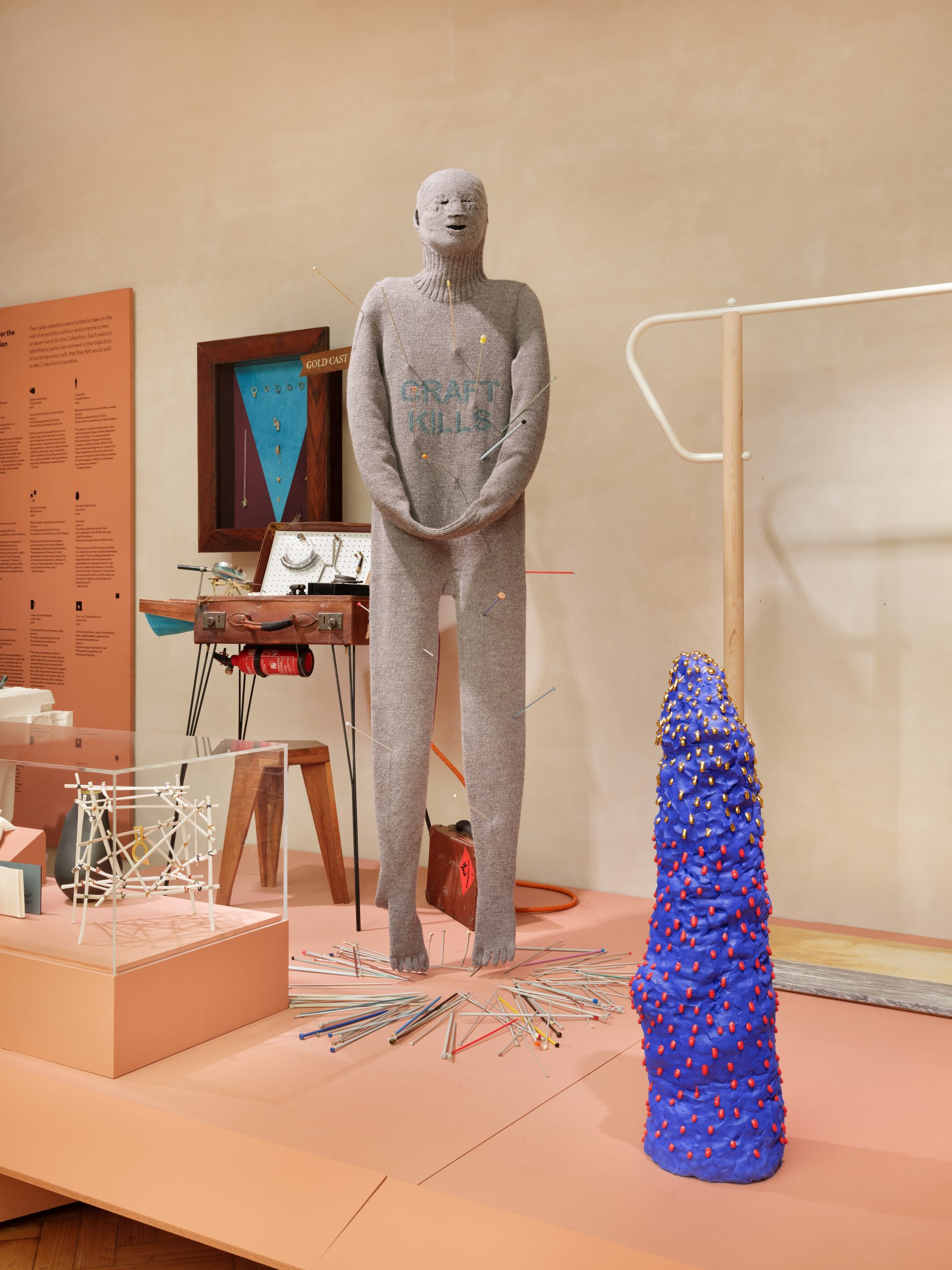
Craft Kills: Freddie Robins says ‘this piece is a self-portrait based on the well-recognised image of Saint Sebastian being martyred. I’m concerned with the stereotypical image of knitting as a passive, benign activity. Since September 11, you can no longer fly with knitting needles in hand baggage. Knitting is now classed as a dangerous activity. The exhibition lives up to its claim of being ‘stories of Craft’ and it is a really welcome return to the Gallery. TheEye hopes there will be plenty of people making their way to Pentonville Road to support creative talented craftspeople and enjoy this first exhibition.
And don’t forget to visit the loo!
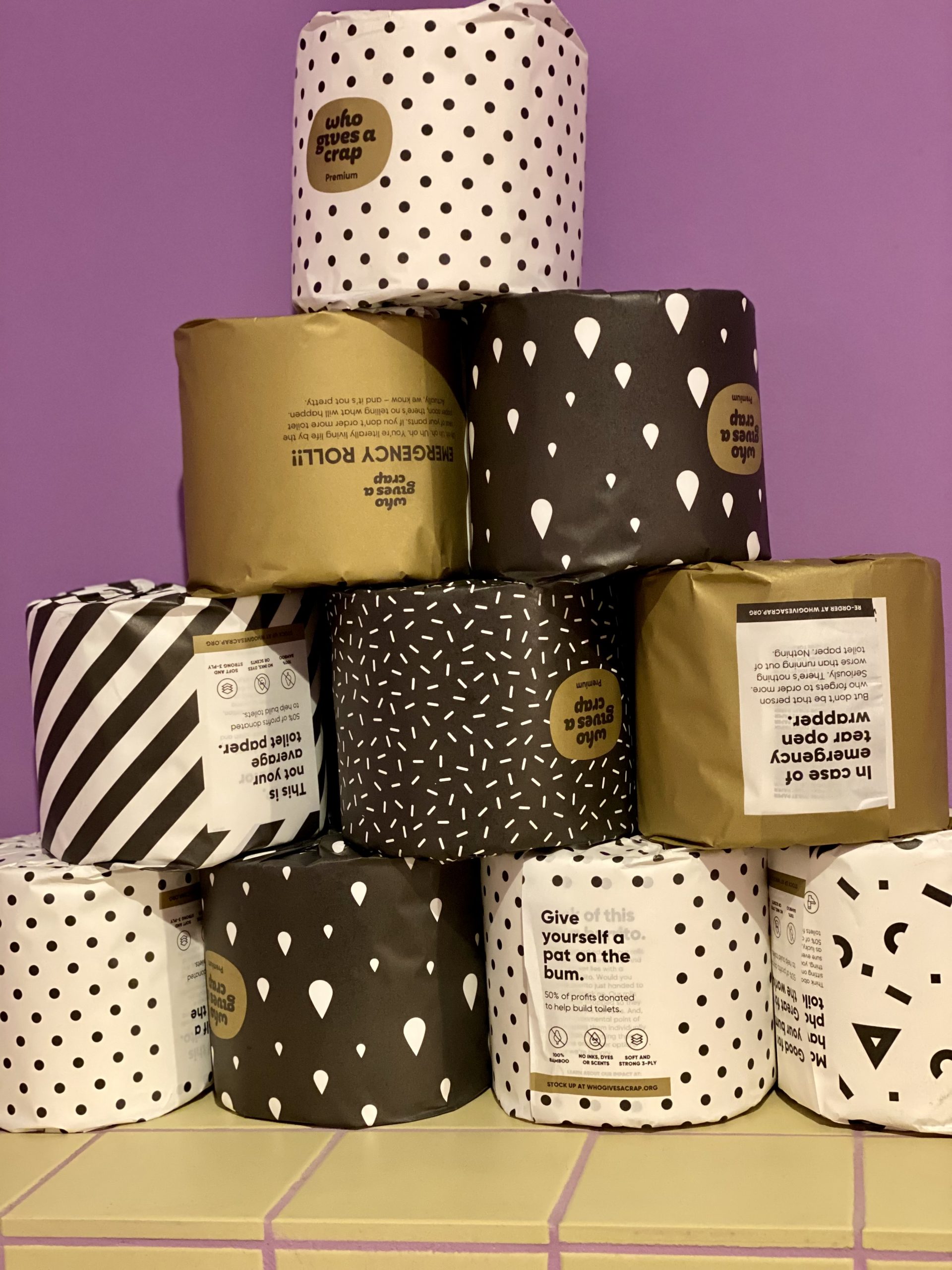
Stylish and creative, even the toilet paper!
‘WHY DOES EVERYTHING GO FORWARDS? WHY DOESN’T IT GO BACKWARDS? A REALLY IMPORTANT QUESTION – AND CHILD-LIKE’
STEPHEN FRY
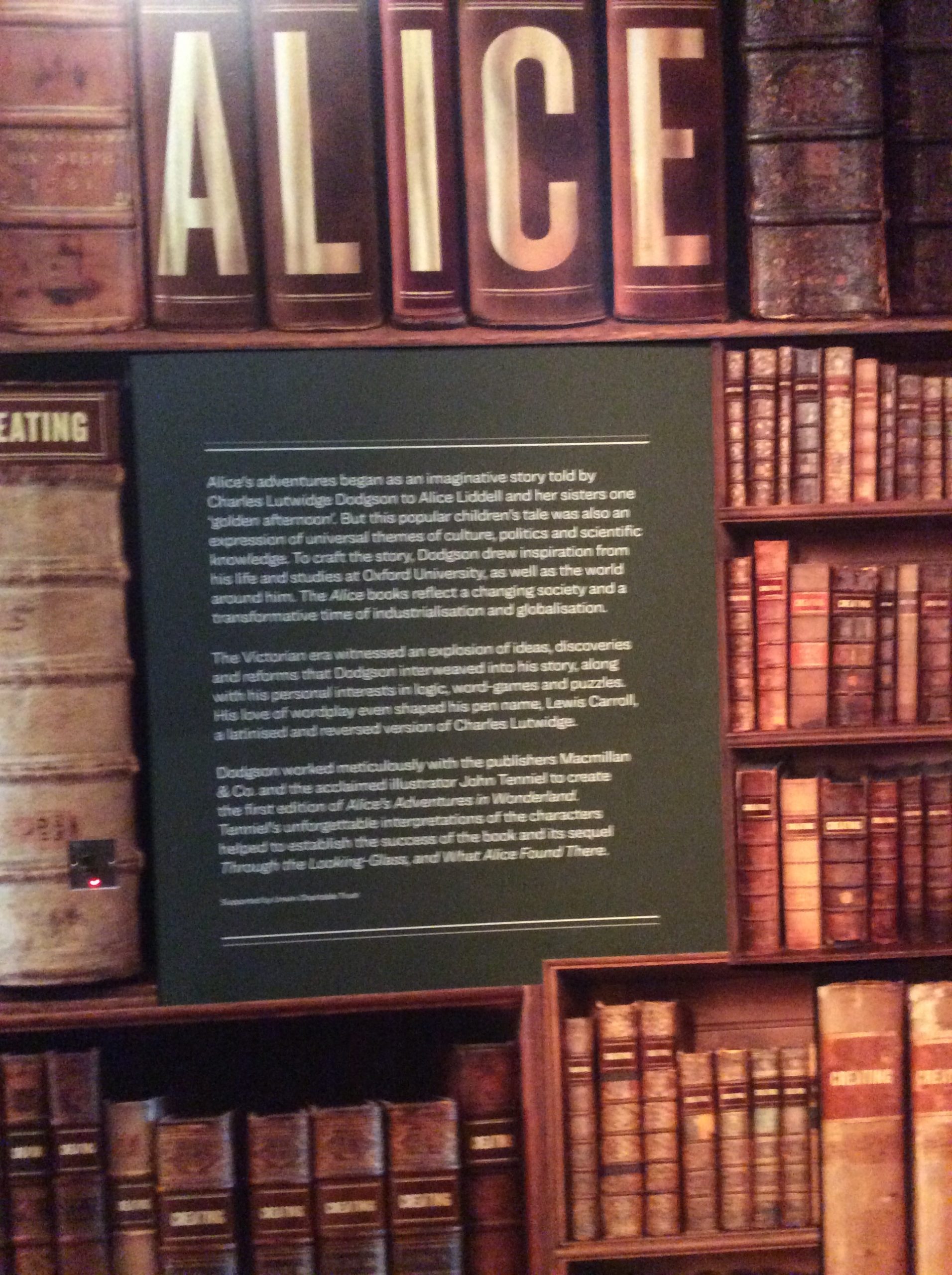
Alice at the V & A
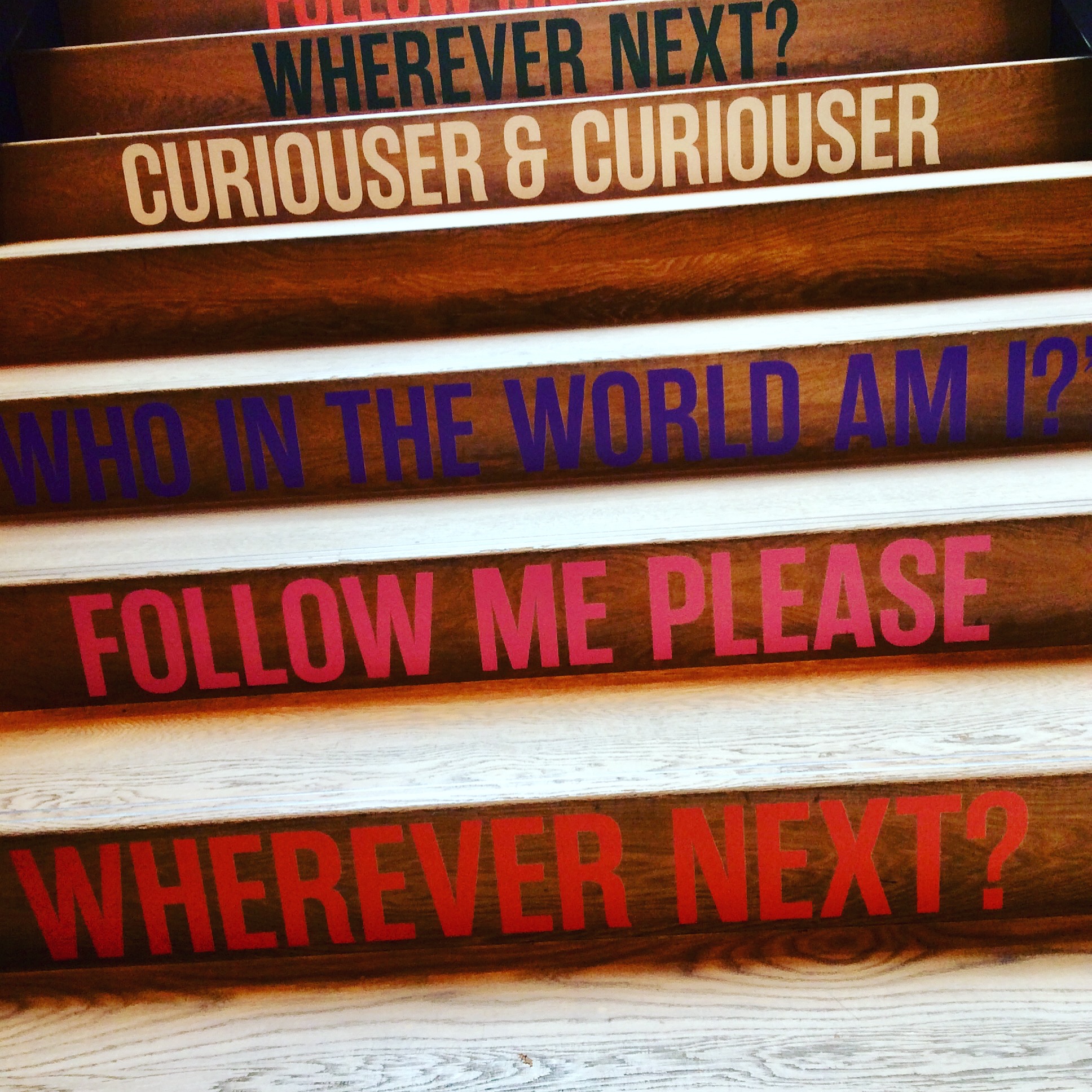
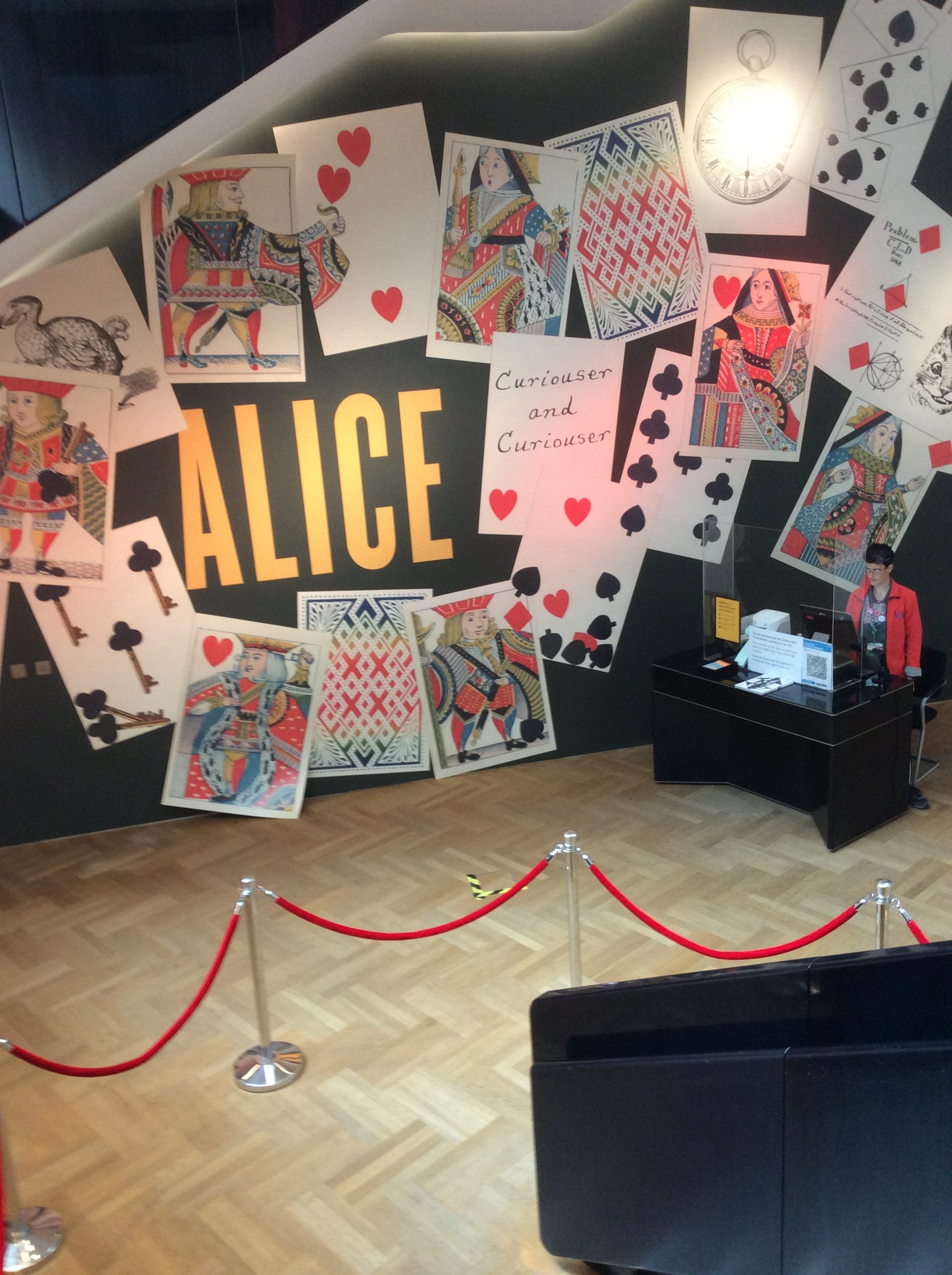
TheEye has been an Alice fan since she was a little girl but never appreciated how significant Alice was. We are all Alice. But what will tomorrow’s Wonderland be like?
Victorian polymath, Lewis Carroll (in reality Charles Lutwidge Dodgson) was a mathematician, photographer, illustrator, and author. As a student and, later, a lecturer at Christ Church Oxford, Carroll/Dodgson, was fascinated with subjects including science, natural history, and science and was inspired by both culture and politics of the day.
So true…
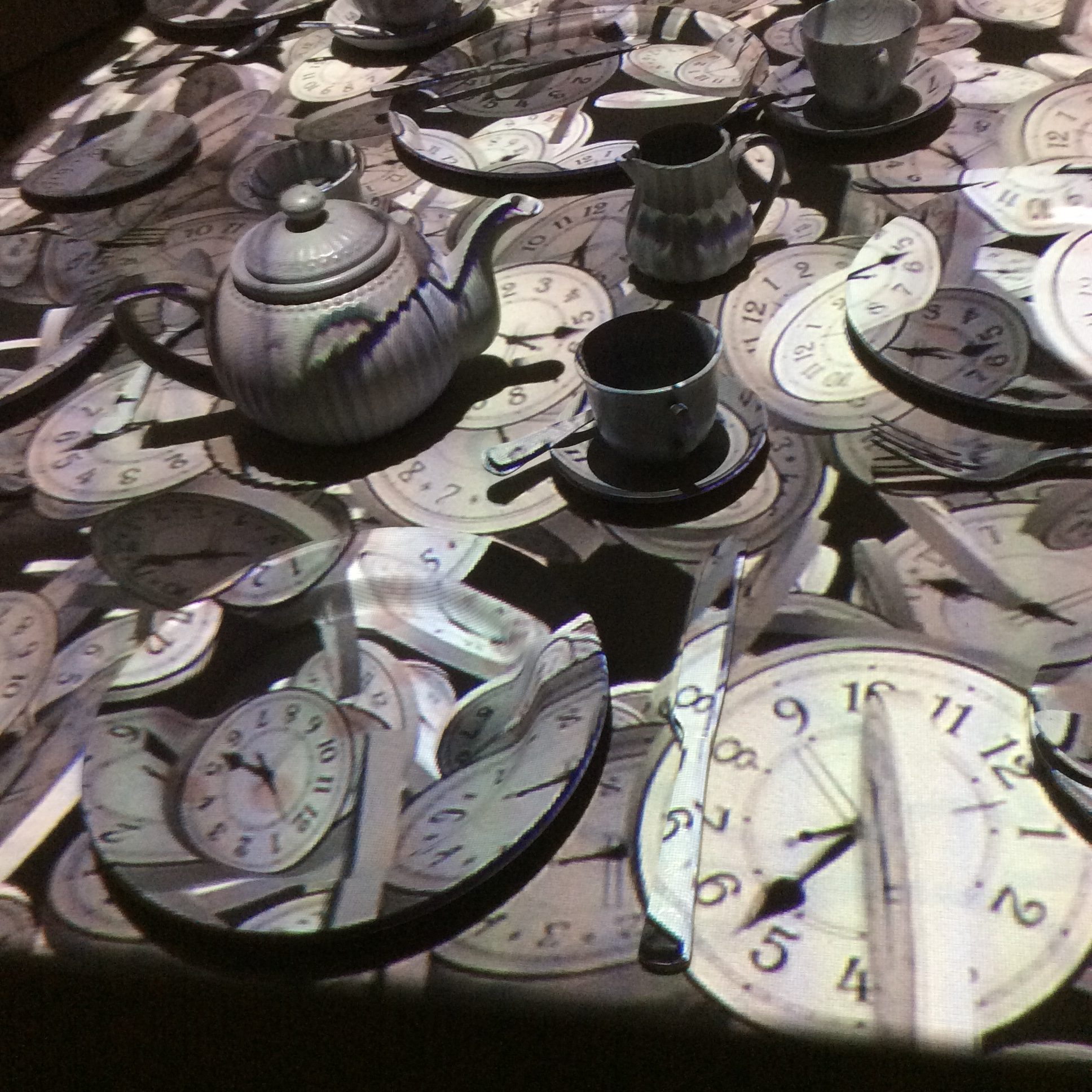
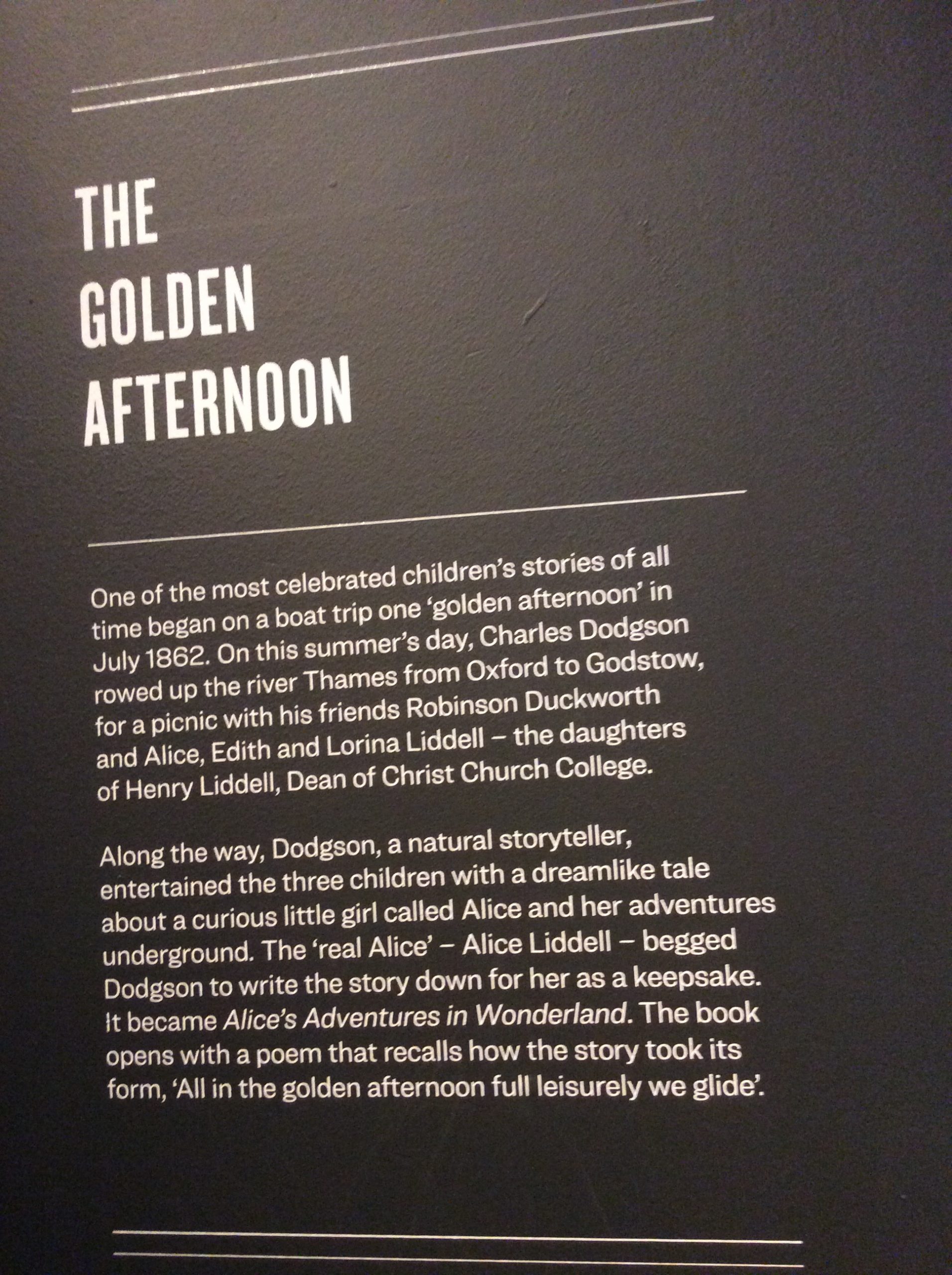
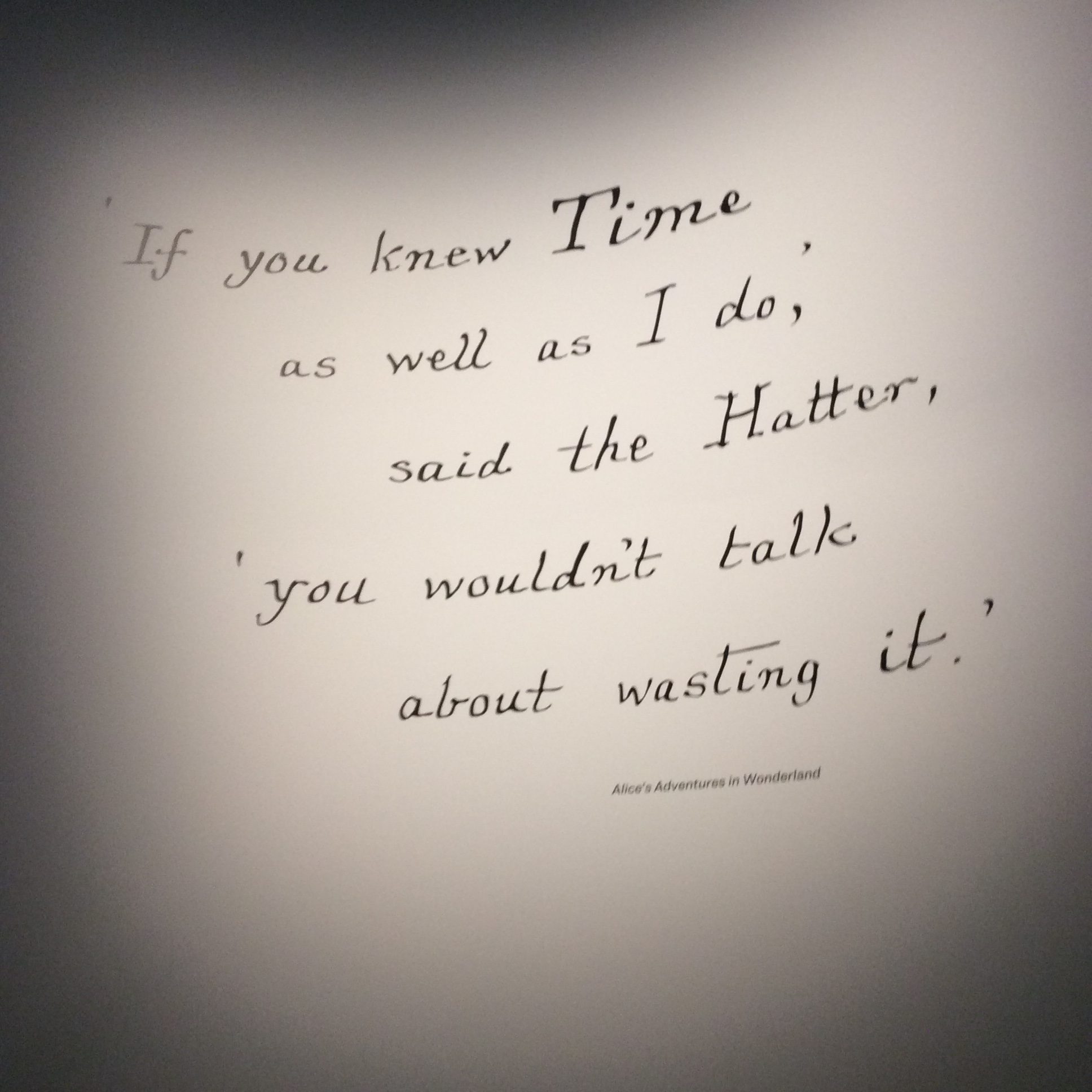
Time is of the essence at the Mad Hatter’s tea party. However, his main inspiration for Alice In Wonderland was Alice Liddell, one of the daughters of the Dean of Christ Church, to whom he first told his story after a boating trip. Nowadays, this would be considered rather suspect – young girl and middle-aged bachelor – but in Victorian times, it would not be considered inappropriate and Alice was precocious, adventurous and above all — curious.
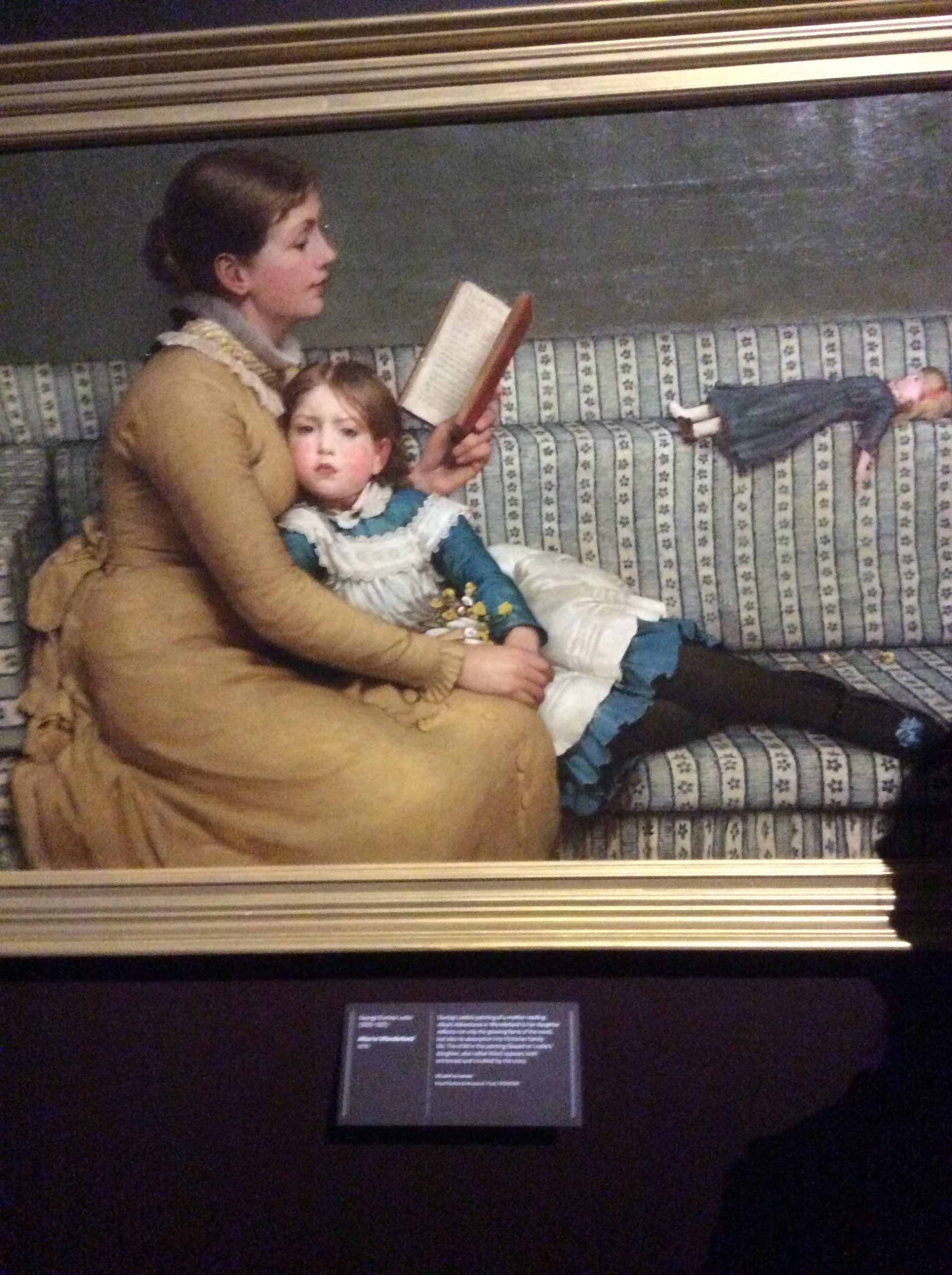
A Victorian child having a bedtime story and looking so engrossed. she probably imagines she is Alice
Whether inventing games, devising electoral systems of proportional representing, or campaigning for women’s education, it seems that Carroll was always looking for problems and their solutions (today he would be regarded as having high-level Asperger’s Syndrome in common with many brilliant mathematicians and scientists).
The first edition of Alice was published by Macmillan and Carroll worked directly with the illustrator, John Tenniel. The book was an enchanting and inspired combination of text and imagery, its charm stemming from the carefully planned interrelation between the two of them. It soon became one of the most iconic books in literature. The characters, language (both visual and textual) have driven others to translate both of Alice’s Adventures into new realms: movies, theatre, fashion (the Alice band), art, science, and popular culture.
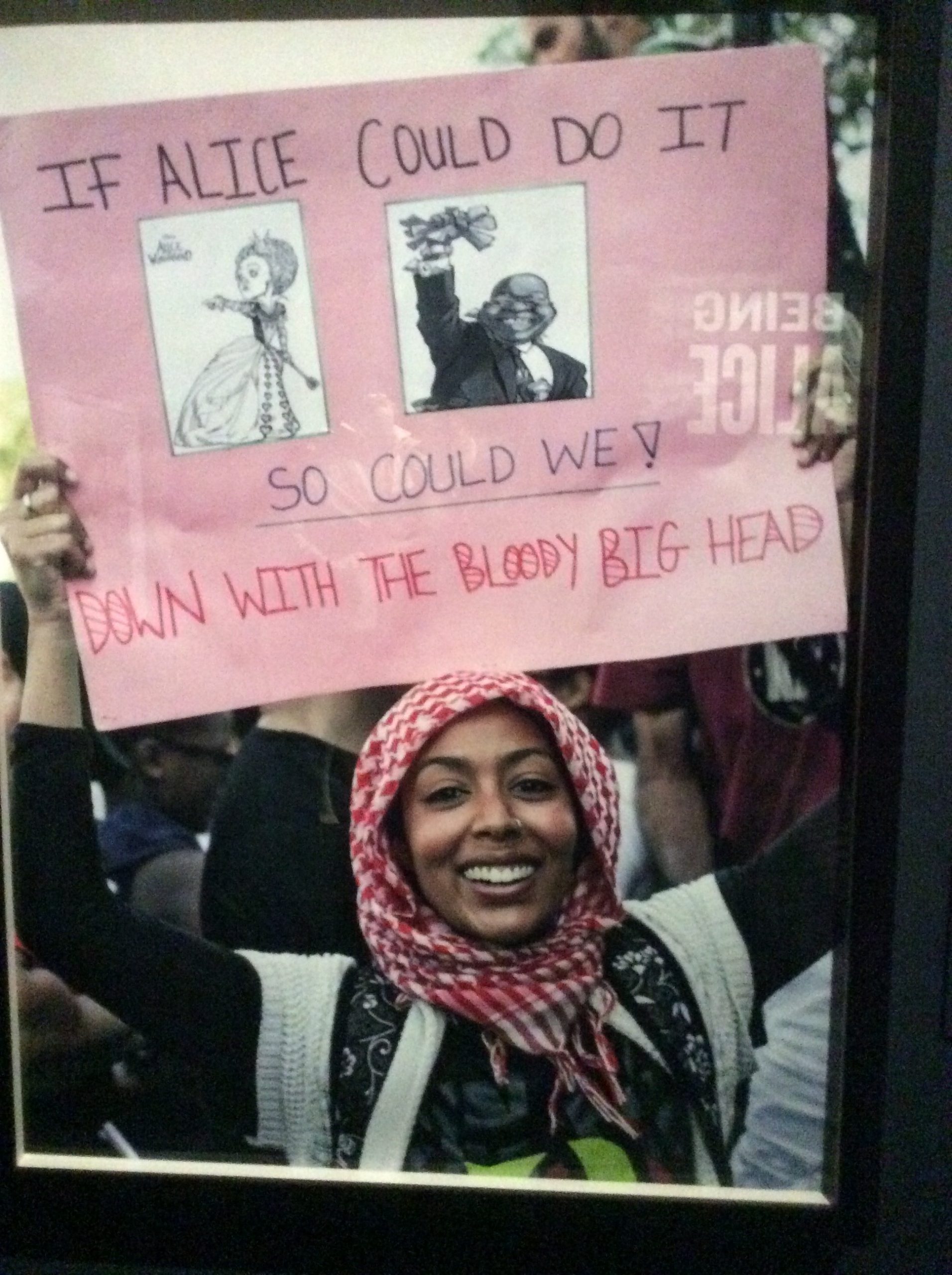
Protester inspired and encouraged by Alice
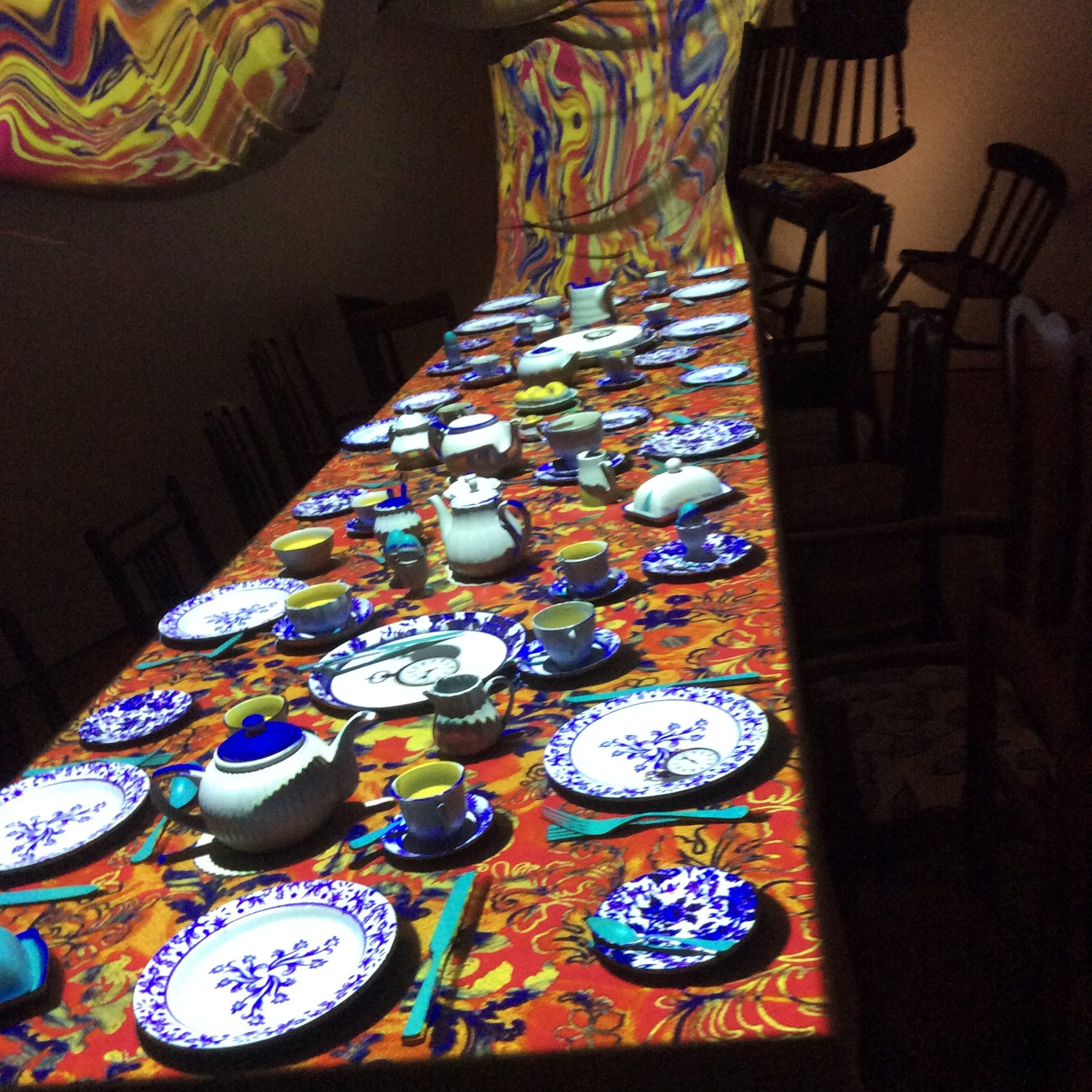
A tea party like you have never seen before – and constantly changing!
The V&A has pulled out all the stops to present this surprising and uplifting experience. The creativity gets better and better as you progress through the galleries. It’s large and SO engrossing.
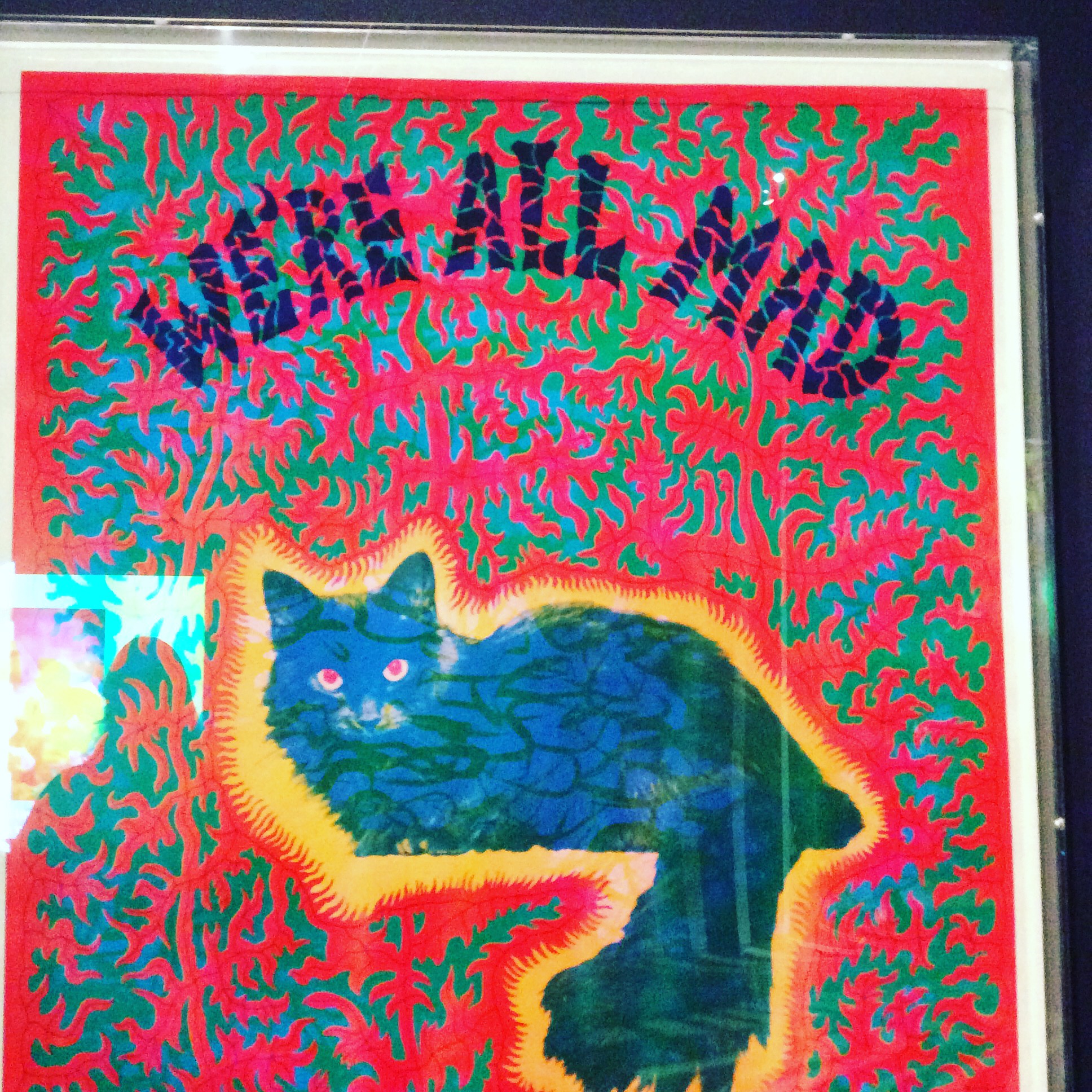
Not surprising, after so long being locked away…
Just what we all need after the difficult times of lockdown.
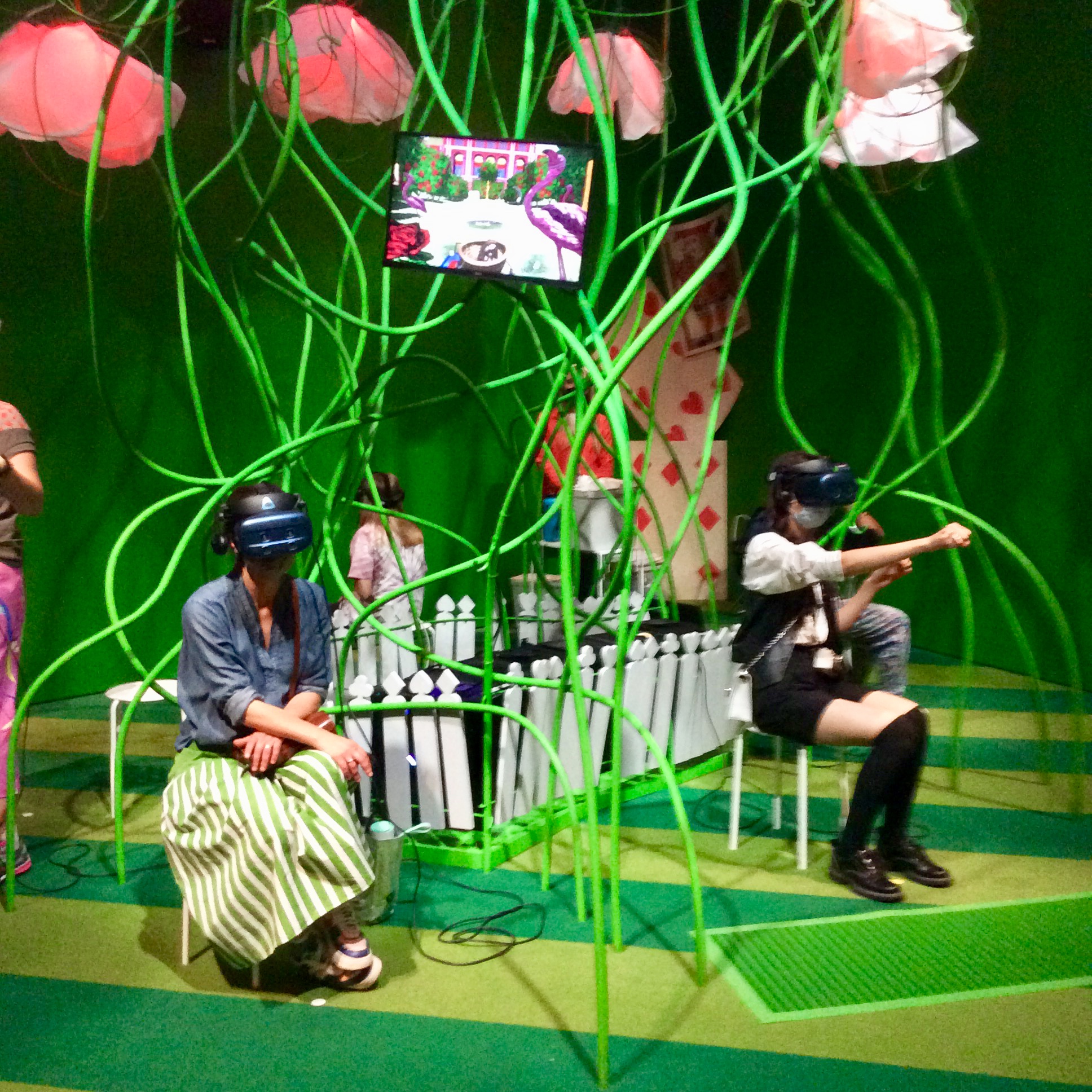
The interactive way: they are going down the rabbit hole
Very curious!
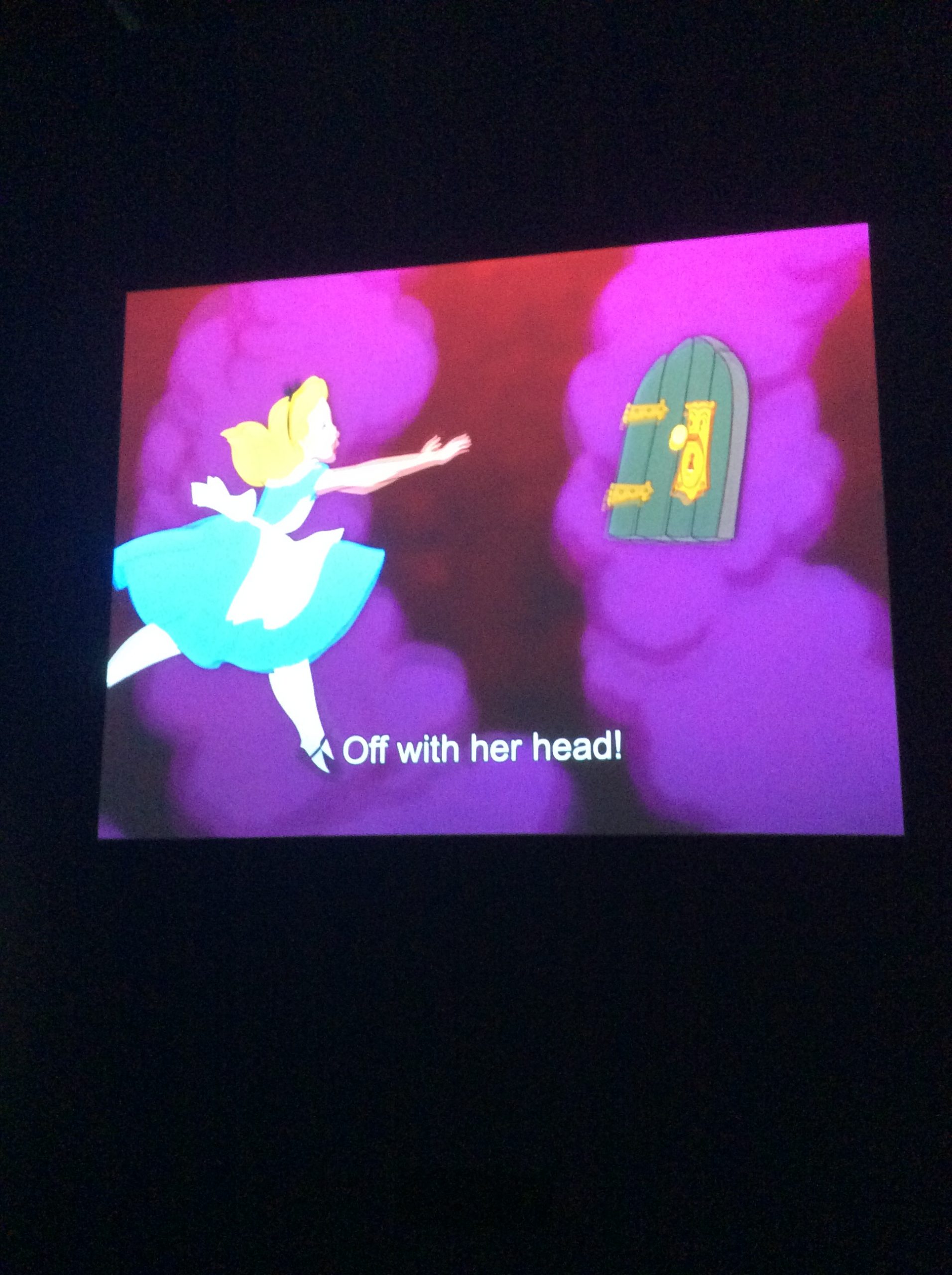
The Disney version
Delighted to see that the Crafts Council – which I knew from its early days – has revived itself in what seems to be a very good space and will visit. Likewise Alice which I wasn’t that keen on but you’ve inspired me to see.
Deeee lighted dear jan to be introduced to these two exhibitions.. will have to do til up up and away again… xxx